

Aquatic Toxicity
ASSESSMENTS
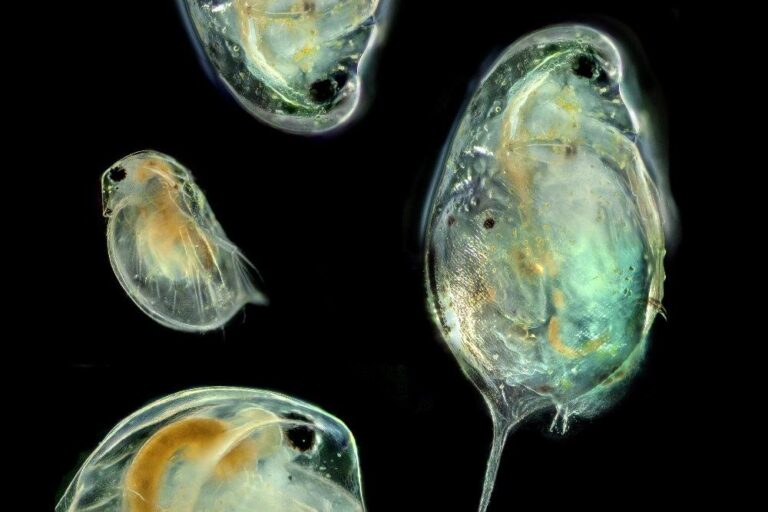
At BQE Water, we conduct aquatic toxicity assessments to evaluate the potential environmental impact of contaminants in water, particularly in relation to mining and industrial wastewater. Aquatic toxicity refers to the harmful effects that pollutants—such as heavy metals, chemicals, or treated effluents—can have on aquatic organisms like fish, invertebrates, and algae. These assessments help us determine whether water discharged from treatment systems is safe for the environment. By studying both acute and chronic toxicity under controlled conditions, we can observe effects ranging from mortality to changes in growth and reproduction. This data is critical for regulatory compliance, environmental protection, and the continuous improvement of our water treatment solutions.
BQE’s Partnerships as Platform for Increasing Transparency & Social Responsibility
The partnerships between BQE and indigenous groups are always entered into with the full knowledge of the mining companies whose projects benefit from the BQE’s partnership since the partnerships.
- Provide platforms for information sharing and transparency about water quality and water treatment with FN’s communities.
- Encourage FN’s communities to get directly involved and be co-responsible for clean water production for discharge.
- Positively empower FN’s to be in control of environmental protection on their traditional territories throughout the project life cycle which elevates their participation and increases vested interest.
Examples of BQE Water’s aquatic toxicology services
This section describes not only the existing BQE’s partnerships with indigenous communities but also the different routes that lead to these partnerships.
EXAMPLE
PLACE HOLDER
Similar to Raglan, BQE has a long history with the Minto mine starting in 2009 when the company was called in to provide emergency treatment to the mine that was expected to have a negative water balance but ended up flooded following the spring freshet. The mine needed to discharge water into Minto Creek that flows into salmon spawning Yukon River. As a result, the criteria for copper was set at 10 µg/L to prevent ill effects on the olfactory systems of salmon. BQE created an emergency response plan which included in-situ / in-pit treatment to reach this limit, which consulted with aquatic toxicologists and representatives of Selkirk First Nation (SFN) and coordinated and reported on results to the mining company and SFN’s technical advisors. The project was successful but short in duration, spanning only 5 months.
While all interactions between SFN and BQE were very positive, the trust between the mining company and SFN was severely strained, and the mining company was BQE’s client. Therefore, the time was not right for forming a partnership between SFN and BQE. However, when the mine ownership changed and the new owner called BQE to come in and take over water treatment operations, BQE and SFN formed a partnership immediately in 2021. This partnership has been responsible for clean water production at Minto ever since and now treats water during the mine closure under a contract with the Yukon Government.

EXAMPLE
PLACEHOLDER
BQE has a long operating history at the Raglan Mine situated in Nunavik, QC. The company has been responsible for clean water production for discharge at this site since 2004. Water discharged from Raglan reports to creeks that provide seasonal fishing for artic char and flow into the Arctic Ocean. Marine life in the area is rich and provides local Inuit communities with their main food source; this also increases the communities’ focus on clean water. In 2019, Glencore Canada, the mine owner, made introductions for BQE with Nuvumiut Development Inc., a landholding corporation jointly owned by the communities of Salluit and Kangiqsujuaq. In 2020, BQE formed a joint venture (JV) company BQE Water-Nuvumiut registered in Salluit and majority owned by Nuvumiut. The JV company focuses on providing water treatment services to active mining projects in Nunavik which include Raglan and Canadian Royalties. The JV currently operates four treatment facilities, where the operations are managed by BQE Water. The JV provides training opportunities for members of Inuit communities. Currently, BQE’s operation team includes one junior Inuit operator.
SUPPORT DOCUMENTS
Explore our collection of technical papers, where we dive into the complexities of mine water treatment and environmental solutions. Our papers cover a range of topics, from detailed case studies to cutting-edge research on wastewater management technologies. These resources provide valuable insights into the science and innovation behind our solutions, helping you understand the technical foundations of our work. Whether you’re seeking in-depth analysis or exploring new industry trends, our technical papers offer a comprehensive look at the challenges we solve.
