



Aquatic Toxicology Assessments for Mine Water
Ensuring Safe Discharge for Aquatic Life
We conduct testing of aquatic toxicity to evaluate the potential environmental impact of contaminants in water, particularly in relation to assessing quality of mine wastewater. We provide rigorous aquatic toxicity testing in our Vancouver-based laboratory to ensure that water discharged from your treatment systems is safe for the environment and aquatic life.
The Challenge of Mine Effluent Toxicity
Achieving regulatory compliance for mine water discharge goes beyond simply meeting chemical concentration limits for heavy metals. Today, operations must prove that their wastewater will not cause harm to receiving environments over the long term.
Unpredictable Effluent ToxicityDischarges must not only meet chemical limits but also pass rigorous acute and chronic aquatic toxicity tests. Even when metals are within limits, complex interactions between trace contaminants can result in toxic conditions for fish, invertebrates, and algae.
Identifying Root CausesWhen an effluent fails a toxicity test, determining the specific pollutant or interaction between constituents that is resulting in toxicity can be a complex, scientific challenge.
Our Aquatic Toxicity Testing Services
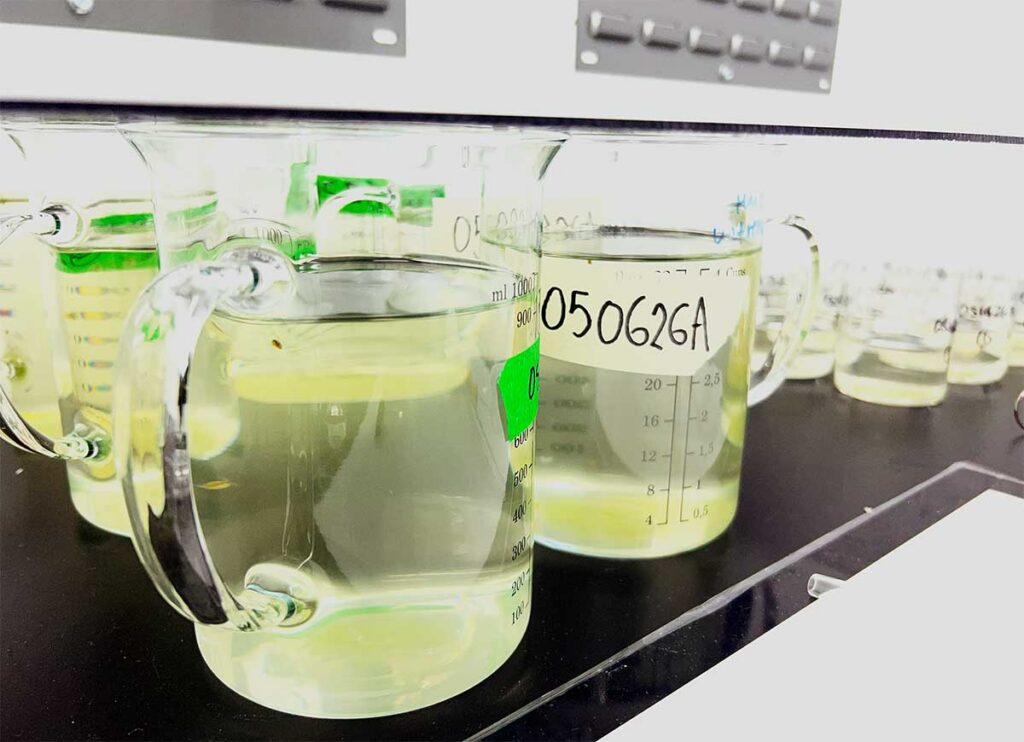
By studying both acute and chronic toxicity under controlled conditions, we can observe effects ranging from mortality to changes in growth and reproduction. This information is critical for regulatory compliance, environmental protection, and the continuous improvement of our water treatment solutions. We assist with:
Acute and Chronic Toxicity Testing
Comprehensive effluent toxicity testing to evaluate the immediate and long-term effects of treated water on aquatic organisms like fish, invertebrates, and algae.
Toxicity Investigation Evaluations (TIE)
Specialized laboratory-based testing to identify the exact causes of effluent toxicity when a discharge fails during toxicity testing.
Toxicity Mitigation Strategies
Designing tailored water treatment modifications and mitigation strategies to eliminate identified toxicants and restore discharge compliance.
Integrating Toxicology with Process Engineering
Unlike standard commercial testing laboratories, BQE Water integrates our deep understanding of aquatic toxicology directly with our metallurgical and process engineering expertise. Because we treat water from permitting to closure, we do not just tell you if your water is toxic; we identify why it is toxic and seamlessly deploy the specific physical or chemical water treatment technologies needed to solve the problem.
Proven Success in Environmental Protection
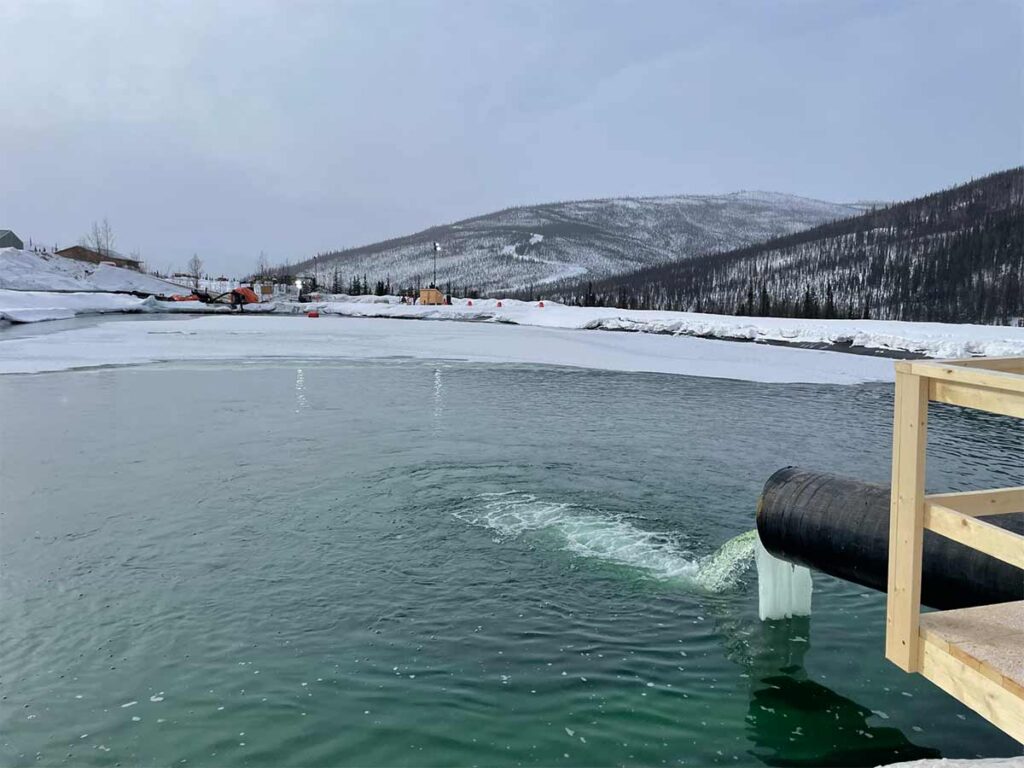
Our toxicological assessments are a critical component of our successful water treatment plant operations worldwide. By continuously monitoring and evaluating the environmental impact of our treated effluents, we ensure that operations like the Raglan and Eagle mines can safely discharge water that complies with strict regulatory frameworks and protects sensitive downstream ecosystems.
Frequently Asked Questions About Aquatic Toxicology
What is aquatic toxicity testing?
Aquatic toxicity testing evaluates the harmful effects that a mixture of pollutants—such as heavy metals, process chemicals, or organic contaminants—can have on aquatic organisms like fish, invertebrates, and algae under controlled laboratory conditions. It measures effects ranging from mortality to sublethal changes in growth and reproduction.
Why is aquatic toxicology important for mine water discharge?
It is critical for regulatory compliance and environmental protection. Regulators require irrefutable proof that water discharged from mine sites will not cause harm to the receiving environment, ensuring that the operation protects downstream aquatic ecosystems and maintains its social license to operate.