


CASE STUDY
Raglan Mine: Nickel Recovery from Mine Water
OBJECTIVE
Environmental compliance and Ni recovery from mine drainage
TECHNOLOGIES
ChemSulphide® & Met-IX™
®
PLANT CAPACITY
6,500 m³/day ChemSulphide®
4,000 m³/day Met-IX™
LOCATION
Québec, Canada
BQE WATER SCOPE
Process design, plant supply and construction, commissioning and training, and ongoing operating services
PROJECT HIGHLIGHTS
- 15 years of seasonal operational services under long-term contract
- Cut cost per m³ of water treated by 10% over 15 years
- Safe, consistent and reliable service at remote site
Project Overview
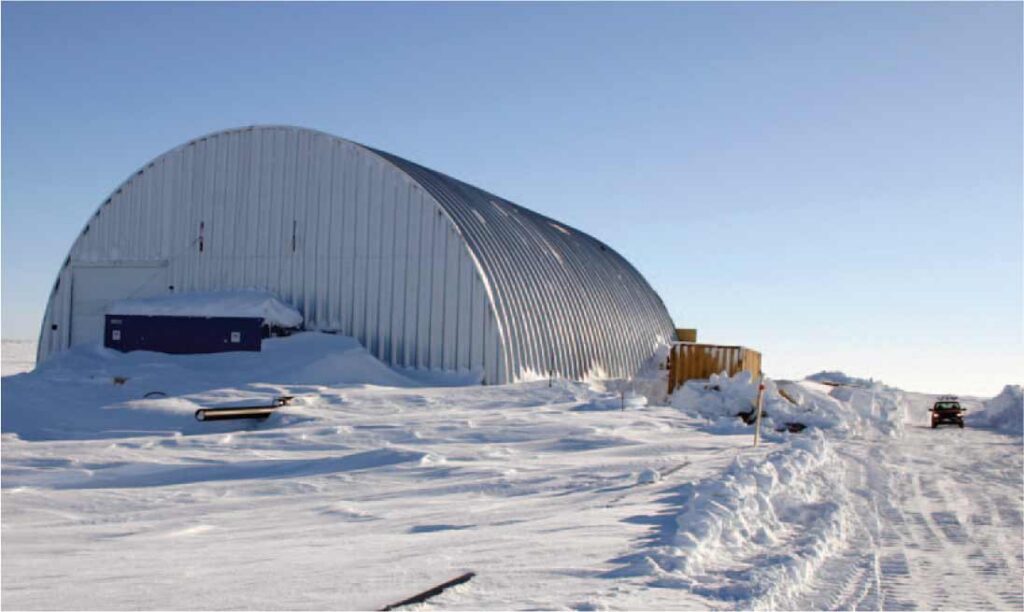
ChemSulphide® technology was selected to treat mine drainage at Raglan Mine, an active nickel mine in the Canadian sub-Arctic. Built in 2003, the ChemSulphide® plant replaced a low-density sludge lime plant and treats on average, over one million m³ of mine water within a 120 day period between the spring snow melt and fall freeze.
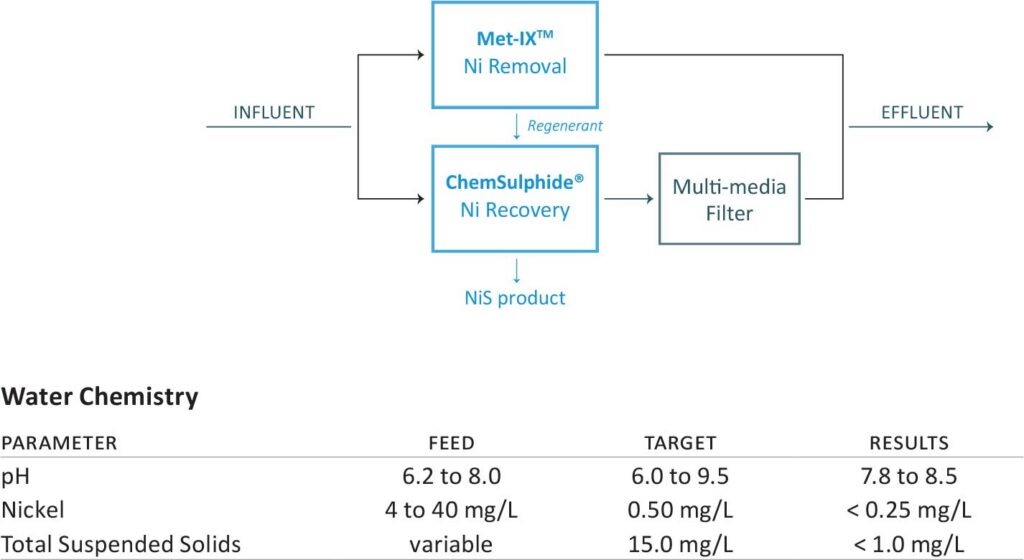
The plant produces effluent with nickel levels < 0.25 mg/L for discharge and provides concurrent recovery of a high-grade nickel concentrate. The treated effluent also consistently passes toxicity bioassay testing on trout and daphnia. Most importantly, the plant does not produce any metal-laden sludge requiring disposal.
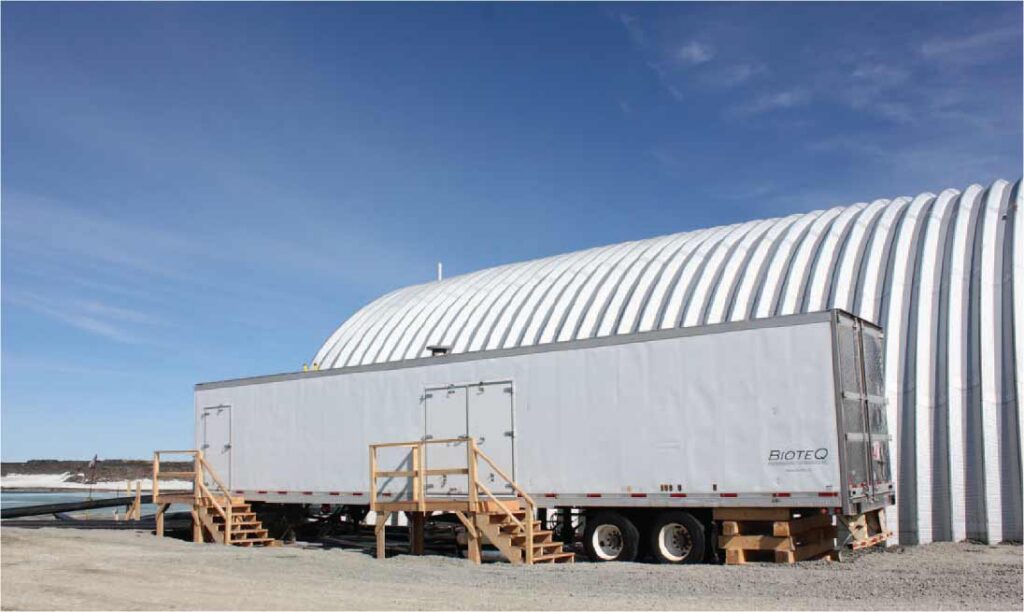
In response to regulatory requirements to expand site water treatment to cope with an 1 in 100 year storm event without the need to build a second plant, a modular and compact mobile Met-IX™ unit was constructed as an add-on to the ChemSulphide® plant. The plant, housed in a 53 ft trailer, treats mine water to produce effluent for discharge and a nickel containing regenerant stream that is treated in the ChemSulphide® plant.
Project Flowsheet